
Contact Us For Expert Assistance
Managing large construction projects takes precise coordination. Errors in design or planning cost money and cause delays. ISO 19650 Certification solves this problem. It is the international standard for managing information over the whole life cycle of a built asset.
This standard uses Building Information Modelling (BIM). It gives you a clear system to control project data. It helps design teams, builders, and owners work together without confusion.
Getting your ISO 19650 Certification proves you meet global standards. It shows clients in the UAE, Saudi Arabia, the UK, and beyond that you handle data securely. It builds trust. It helps you win large infrastructure and smart city contracts.
What is ISO 19650 Standard?
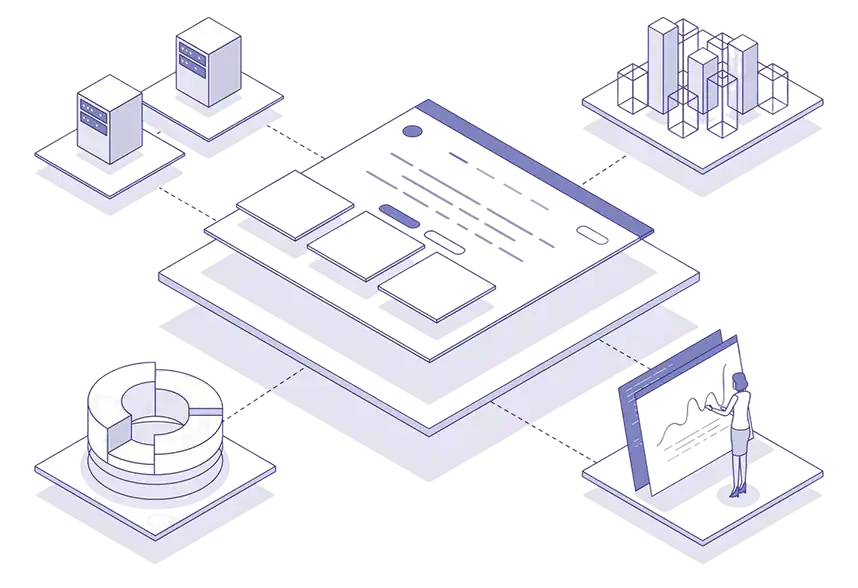
Do not confuse this with a standard quality management system. The ISO 19650 standard is unique. It focuses purely on construction information management.
It acts as an ISO BIM framework. It tells you exactly how to name, save, and share files. It stops teams from using outdated blueprints. It makes sure everyone has the right data at the right time.
This standard replaces older regional rules. It creates a single, global language for project data. Whether you build a small office or a massive metro rail system, this standard keeps your data organized.
What is BIM (Building Information Modelling)?
Building Information Modelling, or BIM, is more than just 3D drawing. It is a highly detailed digital process. BIM creates a complete digital twin of a building before you lay a single brick.
This digital model holds crucial data. It tracks wall sizes, pipe locations, and material costs. Every piece of the project lives inside this model.
BIM connects all project members. The architect, structural engineer, and electrical contractor all add data to the exact same model. This stops clashes. For example, it stops an air duct from running straight through a concrete beam.
To get a BIM certification, you must manage this digital model properly. That is exactly what the ISO standard helps you do.
Key Benefits of ISO 19650 Certification
Earning this certification changes how your business works. It brings real, measurable value to your daily operations. Here are the core benefits:
- Massive Cost Savings: You spot design errors on a screen, not on the site. Fixing a digital mistake costs nothing. Fixing a concrete mistake costs thousands.
- Faster Project Delivery: Teams waste less time looking for the right files. Everyone knows exactly where to find the latest updates.
- Better Risk Management: You track every decision. If something goes wrong, you have a clear digital trail.
- Stronger Client Trust: Project owners feel secure. They know you use a proven global system to protect their investment.
- Winning Global Tenders: Many government projects in the UK and Middle East legally require this standard. Having it opens doors to huge contracts.
- Reduced Material Waste: Exact digital models mean exact material orders. You only buy exactly what you need.
Who Needs ISO 19650 Certification?
This standard is not just for huge developers. It applies to every link in the supply chain. If you work on the built environment, you need this.
The primary groups who need this include:
- Project Owners and Clients: To protect their assets and ensure smooth handovers.
- Architecture Firms: To share designs safely and track versions.
- Engineering Companies: To coordinate structural and mechanical systems.
- Main Contractors: To manage site work and avoid delays.
- BIM Consultants: To prove their expertise in digital workflows.
- Subcontractors: To receive accurate details and report their progress.
Companies operating in fast-growing regions like the UAE and Saudi Arabia see high demand for this. The push for smart cities makes digital data control a strict rule.
ISO 19650 Requirements Explained
Meeting the ISO 19650 requirements takes focus. You must build a clear framework for how your team handles data.
First, you must define the project’s information needs. You must ask the client exactly what data they want at the end of the job.
Second, you must plan the delivery. You must create a Master Information Delivery Plan (MIDP). This document lists every file, drawing, and model the team will make. It says who will make it and when.
Third, you must test your supply chain. You must check if your partners have the right software and skills. If they do not, you must train them or find new partners.
Finally, you must use a secure digital space to hold all this data. This space is the heart of the standard.
Common Data Environment (CDE) Explained
A Common Data Environment (CDE) is the core of this standard. It is a single, secure digital hub. Every piece of project data lives here.
The CDE stops people from saving files on personal hard drives. It stops people from emailing huge attachments. Everything goes through the CDE.
The CDE has strict workflow states:
- Work in Progress (WIP): Only the creator can see and edit the file.
- Shared: The team can see the file to coordinate their work.
- Published: The file is approved for construction.
- Archive: The file is saved for future reference.
This structure stops a builder from using a “Shared” drawing that is not yet “Published.” It prevents massive errors on site. It keeps the information flow safe and clear.
Information Management Across Project Lifecycle
This standard covers the building from its birth to its end. The building information modelling ISO spans three main phases.
- Design Phase
Here, the team builds the digital twin. Architects and engineers add exact details. The CDE tracks every change. The client reviews the 3D model before construction begins. - Construction Phase
Builders take the approved data from the CDE. They use it to order materials and plan schedules. They update the model as they build. If they change a pipe location on site, they update the digital model to match. - Operation Phase
When the building is done, the owner gets an “As-Built” model. This model holds warranties, manual links, and service dates. If an air conditioner breaks in five years, the owner clicks the unit in the 3D model. They instantly see the repair manual and parts list.
BIM Collaboration and Workflow Management
Good data flow requires good teamwork. This standard forces teams to talk to each other. It removes silos.
Before work starts, teams hold coordination meetings. They run software checks. They look for clashes in the model.
For example, on a recent UK hospital project, the software found a major pipe hitting an elevator shaft. The team fixed the model in one hour. If they found that on site, it would have delayed work for weeks.
The workflow rules ensure the right person checks the data. A junior drafter cannot approve a structural model. The CDE tracks who clicked approve and when. This creates total accountability.
ISO 19650 Implementation Process
Getting ready for your audit takes a few key steps. We guide you through each one.
Step 1: Gap Analysis
We look at how you currently save and share files. We find the gaps between your current method and the ISO rules.
Step 2: Strategy and Planning
We write new data rules for your business. We set up naming codes and workflow approvals.
Step 3: CDE Setup
We help you choose and configure your Common Data Environment. We set the security rules and folder structures.
Step 4: Team Training
We teach your staff. They learn how to name files, upload data, and check models.
Step 5: Internal Audit
We test your new system. We look for any weak spots and fix them.
Step 6: Final Certification Audit
An external body reviews your system. Once you pass, you earn your certification.
Documents Required for ISO 19650
Auditors need proof that you follow the rules. You must keep strict records.
The key documents include:
- Organizational Information Requirements (OIR): What data the business needs to run.
- Asset Information Requirements (AIR): What data the client needs for the building.
- Exchange Information Requirements (EIR): The rules for how teams share data.
- BIM Execution Plan (BEP): The master plan for how the team will meet the EIR.
- Master Information Delivery Plan (MIDP): The schedule of all files to be delivered.
- Responsibility Matrix: A simple chart showing who does what.
We help you create templates for all these documents. We make sure they are simple and easy to use.
Challenges in BIM Implementation
Moving to digital workflows is not always easy. Many companies face hurdles along the way.
The biggest challenge is resistance to change. Older staff might prefer paper drawings. They might find the CDE confusing. Training is the only way to fix this. You must show them how the system makes their job easier.
Another challenge is software costs. High-end modelling software is an investment. However, the money saved from avoiding errors covers this cost very quickly.
Finally, supply chain readiness is tough. You might be ready, but your subcontractors might not be. You must demand that your partners adopt these standards to keep the project safe.
Cost of ISO 19650 Certification
The price of certification changes based on your company size. It depends on how complex your projects are.
Your costs will cover three main areas. First is the consulting fee to build your system. Second is the software cost for your CDE. Third is the fee for the final external audit.
Do not look at this as just an expense. Look at it as a sales tool. When you hold this certificate, you win bigger jobs. You work faster. You waste less money. The return on investment is huge.
Why Choose Global Certification Services as Your ISO Consultant
You need an expert to guide you. Global Certification Services is your trusted partner.
We know the construction industry. We do not use generic templates. We build systems that fit your actual daily site work.
Our team understands the pressure of project deadlines. We keep the consulting process smooth and fast. We train your staff without stopping your current projects.
We help companies across the UAE, Saudi Arabia, and the UK reach global standards. We make compliance simple, practical, and highly effective.
Industries Applicable for ISO 19650
While built for construction, this standard touches many sectors. Any industry that builds large assets benefits from this system.
- Commercial Real Estate: Managing data for massive office towers and retail centers.
- Civil Infrastructure: Controlling models for roads, bridges, and tunnels.
- Energy Sector: Organizing the complex details of power plants and oil rigs.
- Smart Cities: Linking thousands of data points for modern, connected city grids.
- Healthcare: Building hospitals with exact specifications for medical gas lines and power.
Real-world projects prove this system works. From the London Crossrail to the NEOM smart city in Saudi Arabia, strict data rules keep these mega-projects alive.
Start Your ISO 19650 Certification Process Today
Stop losing money to bad data and site errors. Upgrade your business with a world-class digital framework. Prove to your clients that you can handle complex projects safely.
Let our team guide you to success. We make the certification process clear and simple. We help you win more bids and build better projects.
Ready to secure your project data and grow your business? Contact us to start your journey today. Visit https://globalisocertificates.com to request a free consultation.
Related ISO Certifications
Enhance your business by pairing your BIM framework with other vital standards. Building a complete management system shows total commitment to excellence.
- Improve your general business quality with ISO 9001 Certification.
- Protect your workers on site with ISO 45001 Certification.
- Manage your environmental impact with ISO 14001 Certification.
- Learn more about our services on our Homepage.
Ready to speak with our experts? Visit our Contact Us page.
Frequently Asked Questions
What is the difference between ISO 9001 and ISO 19650?
ISO 9001 is a general quality rule for any business. ISO 19650 is made only for the built environment. It strictly controls how digital project data and BIM models are created, shared, and stored.
Do small contractors need this certification?
Yes. Large project owners now require the entire supply chain to use these rules. If you want to work on major projects, you must prove you can manage data properly in the Common Data Environment.
How long does it take to get certified?
It usually takes three to six months. The time depends on your current data habits. If you already use a CDE, the process is much faster.
What software do I need to meet the standard?
The standard does not demand a specific brand. You simply need software that can act as a secure Common Data Environment (CDE). It must track file versions, restrict access, and manage workflow approvals.
Will this slow down our current design work?
At first, learning new rules takes a little time. However, once the team learns the system, work speeds up. You spend zero time searching for lost emails or outdated drawings.
Is this standard recognized globally?
Yes. It is the international standard for digital construction data. It replaces old regional rules like the UK’s PAS 1192. It is highly respected in the UK, UAE, Saudi Arabia, and across the globe.